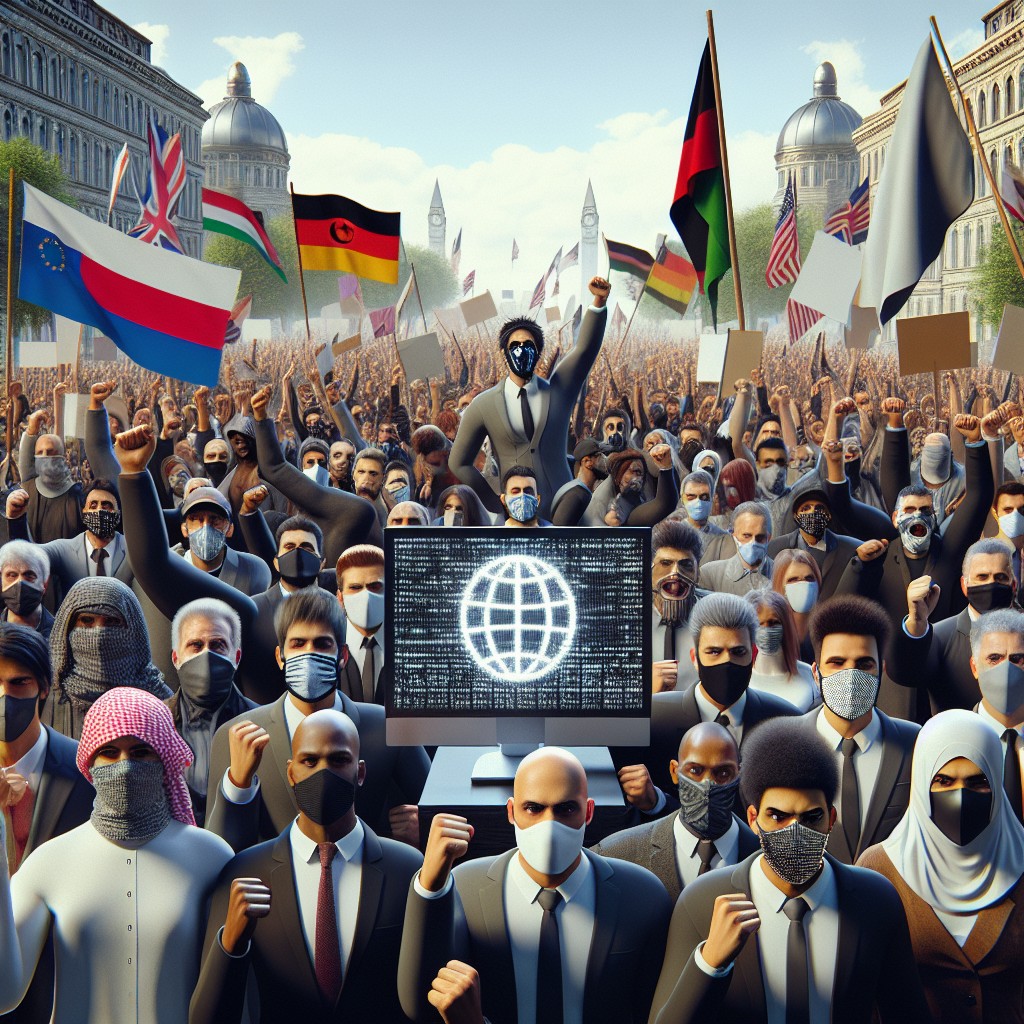
In recent years, the rise of protest movements worldwide has frequently been met with government-imposed restrictions on internet access. Internet shutdowns, a tactic increasingly employed to control public discourse and limit mobilization, have profound effects on societies, economies, and the flow of information.
The Rising Trend of Internet Shutdowns Amid Protests
Across continents, from Africa to Asia and the Middle East, governments have resorted to internet shutdowns during periods of civil unrest. These shutdowns involve partial or complete disruption of internet services, often implemented under the premise of national security or public order. According to reports from international organizations, the frequency of such shutdowns has increased steadily, correlating closely with protest waves triggered by political, economic, or social grievances.
Impact on Communication and Civic Engagement
Internet shutdowns severely undermine communication channels among citizens, activists, and journalists. The inability to share real-time information disrupts coordination of peaceful demonstrations and restricts the public’s access to alternative viewpoints. Consequently, internet shutdowns often result in an environment where misinformation and rumors can flourish unchallenged, while independent media coverage is hindered, limiting transparency during critical moments.
Economic Consequences of Connectivity Interruptions
The economic toll of internet shutdowns during protests is considerable. Small businesses reliant on online sales, banking services, and communication with suppliers face disruptions that translate into financial losses. Studies estimate that shutdowns can cost countries millions of dollars per incident, particularly in economies where digital technology plays a central role. Furthermore, disrupted internet access deters foreign investment and slows growth by creating uncertainty in business operations.
Legal and Human Rights Perspectives
International human rights bodies have expressed concern over the legality of internet shutdowns, emphasizing their contradiction with rights to freedom of expression and information. The United Nations has called on states to refrain from implementing such shutdowns except under the most exceptional circumstances. Critics argue that internet shutdowns disproportionately affect vulnerable populations and impede critical access to essential services, including healthcare and emergency response.
The Role of International Organizations and Technology Firms
Global institutions and technology companies play crucial roles in addressing the challenges posed by internet shutdowns. Agencies such as the United Nations and the International Telecommunication Union monitor shutdown incidents and advocate for open access to digital resources. Meanwhile, technology firms have developed tools to circumvent censorship and maintain connectivity, although they often face significant pressure from governments enforcing shutdowns. These dynamics highlight the ongoing tension between state control and the principles of internet freedom.
In conclusion, internet shutdowns deployed during global protest waves continue to reshape public life by limiting communication, affecting economies, and raising pressing legal and ethical issues. While governments cite security concerns, the long-term consequences of these shutdowns often hinder democratic participation and societal resilience. Monitoring and responding to these shutdowns remain critical as digital connectivity becomes ever more essential to everyday life.
Frequently Asked Questions about internet shutdowns
What are internet shutdowns and why are they used during protests?
Internet shutdowns refer to deliberate disruptions of internet access by authorities, often used during protests to control information flow and limit mobilization.
How do internet shutdowns impact the economy?
Shutdowns can cause significant economic losses by interrupting online business operations, banking, and communication services crucial for local and international trade.
Are internet shutdowns legal under international law?
Many international organizations consider internet shutdowns as violations of human rights to freedom of expression and information, except in exceptional circumstances.
What are the social consequences of internet shutdowns during protests?
They disrupt communication among citizens, restrict access to independent news, and can increase misinformation during critical social and political events.
How do technology companies respond to internet shutdowns?
Technology firms develop tools to help users bypass censorship and maintain connectivity but often face pressure from governments to comply with shutdown orders.